
Cathodic Protection Network
Roger Alexander creator of this document
Founder of Cathodic Protection Network (CPN)
Required
In order to carry out this demonstration we need the following.
A transparent plastic container with lid.
Dry silicon sand.
Two mild steel pipes
Insulation tape.
A complete set of connecting leads.
2 electrical energy supplies (TR's)
3 carbon rod impressed current anodes
3 multi-meters
An oscilloscope.
A data logger.
2 CPN half-cells.
An electronic timer
Cameras
Internet connection
Web domain
Computers
Computer Monitors.
Method
Put the dry silicon sand into the transparent plastic container to represent desert conditions.
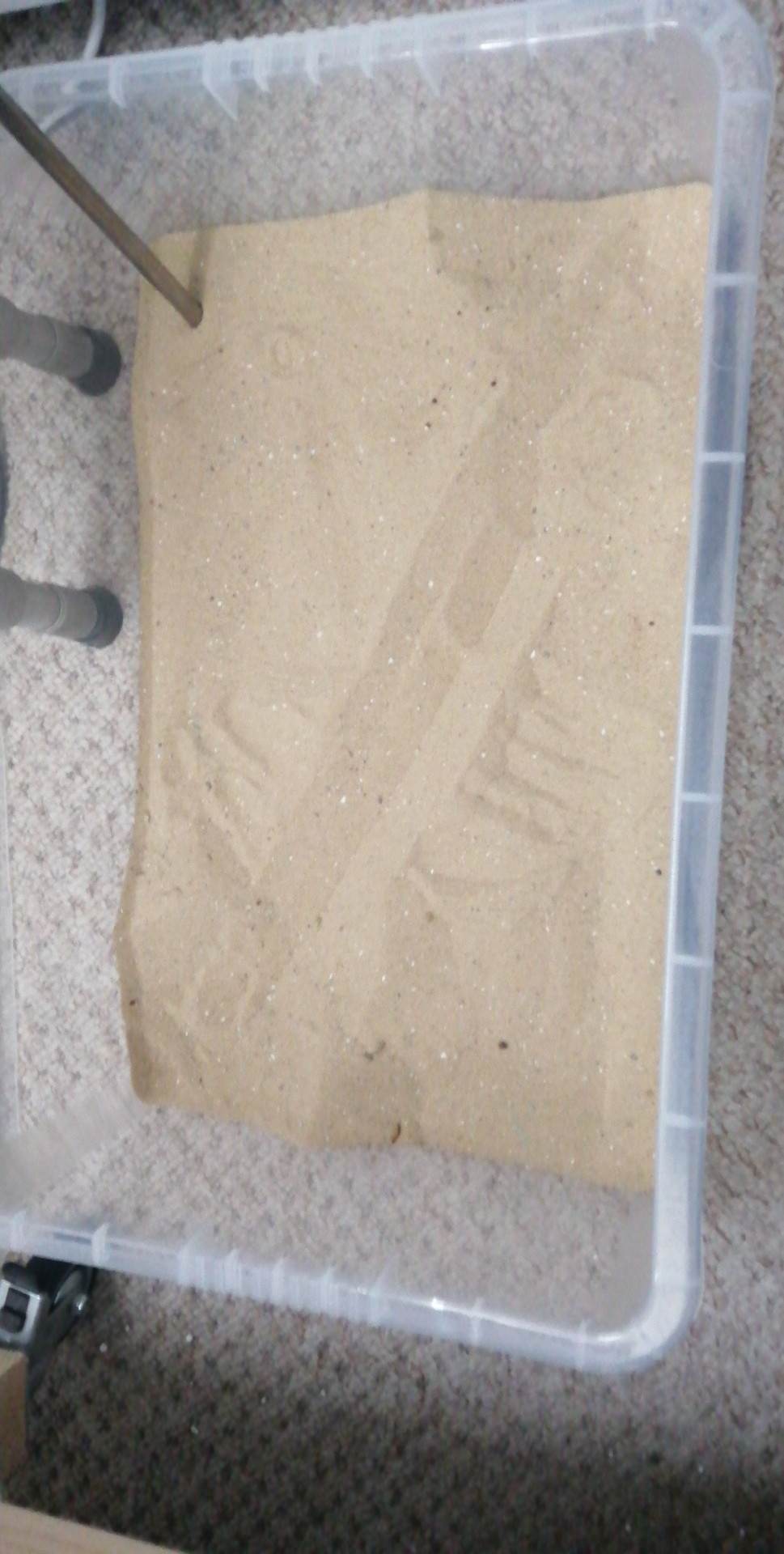
Wipe the two mild steel pipes clean but do not polish as this alters their response to the electrolyte.
Test the resistance between the pipes when positioned crossing but not touching.
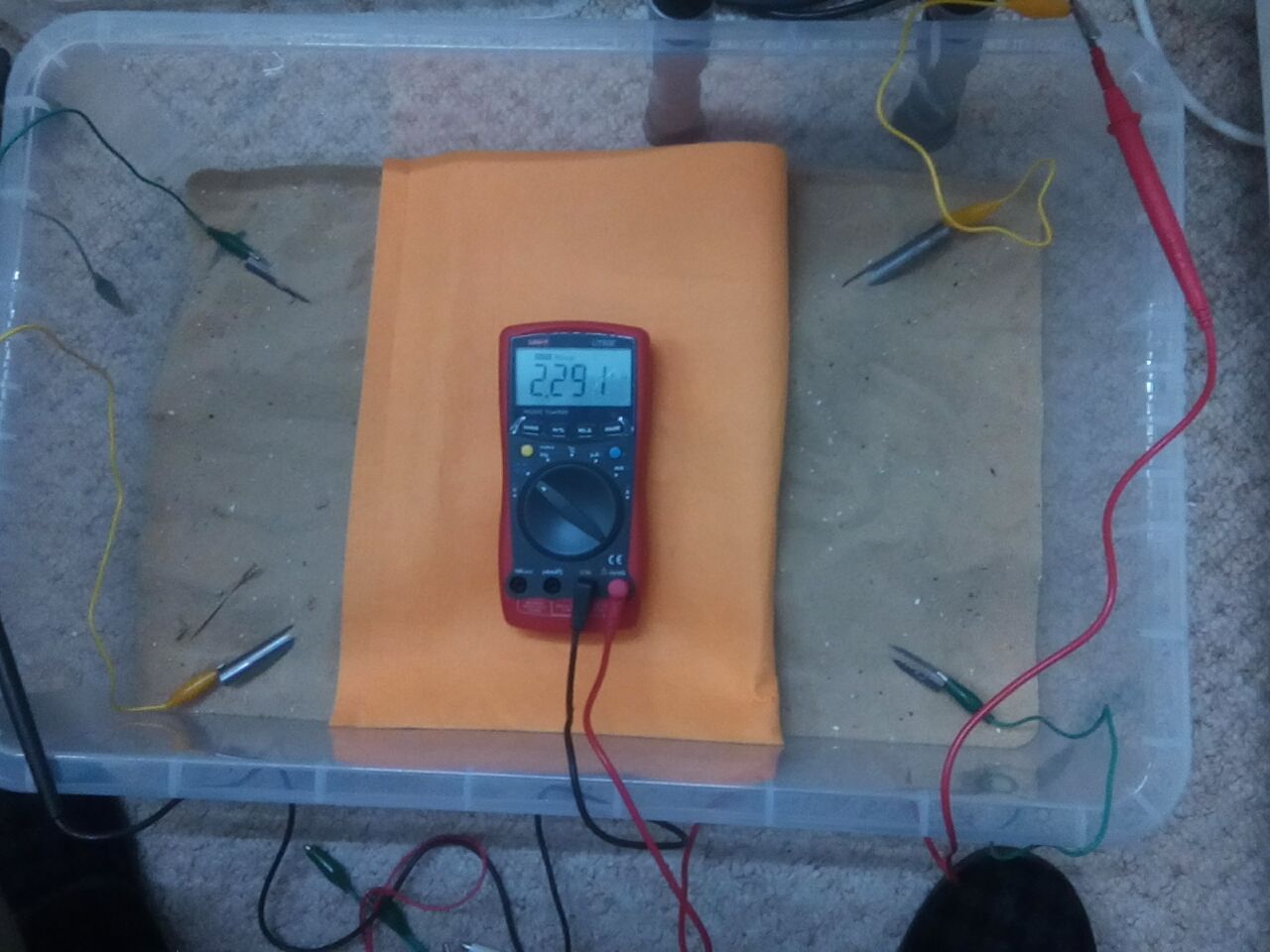
Soak the sand with distilled water and repeat the resistance measurement.
Add salt (NaCl) to the wet sand and repeat the resistance measurement.
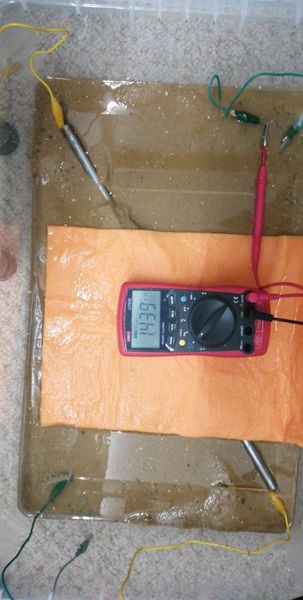
Tape coat the pipes and repeat the resistance measurement.
Remove two patches of tape from each pipe and replace with aluminium foil to represent bracelet sacrificial anodes.
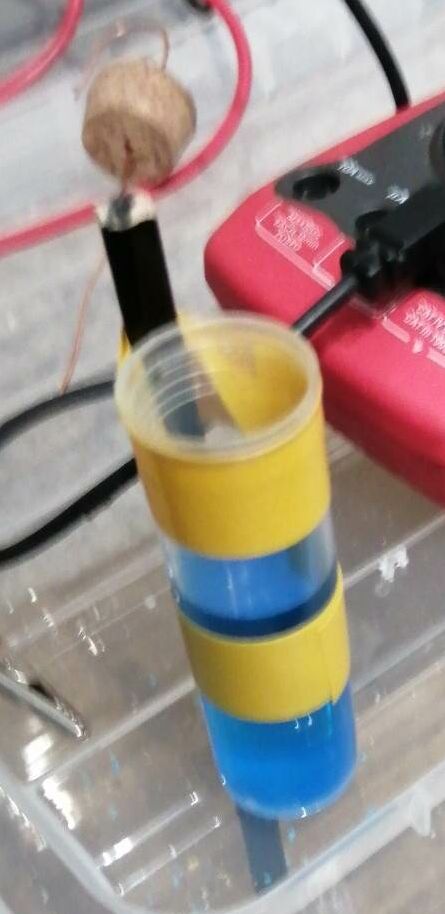
Make and test two CPN ground contact electrodes (half-cells)
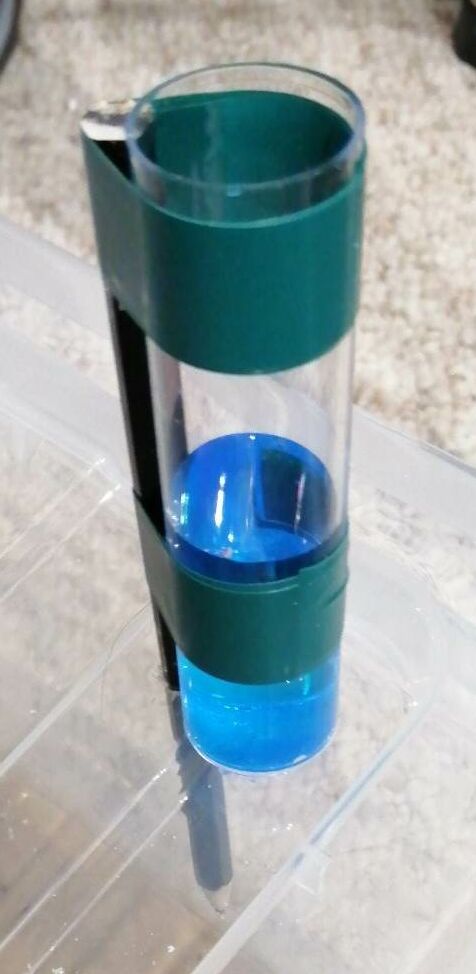
Bury the green pipe with the yellow pipe buried over and cover the two with the super absorbant cloth.
Record 'pipe-to-soil-potential' measurements between each of the pipes with the half cells in different positions.
Connect the experiment to the Technotoy set of instruments.
